
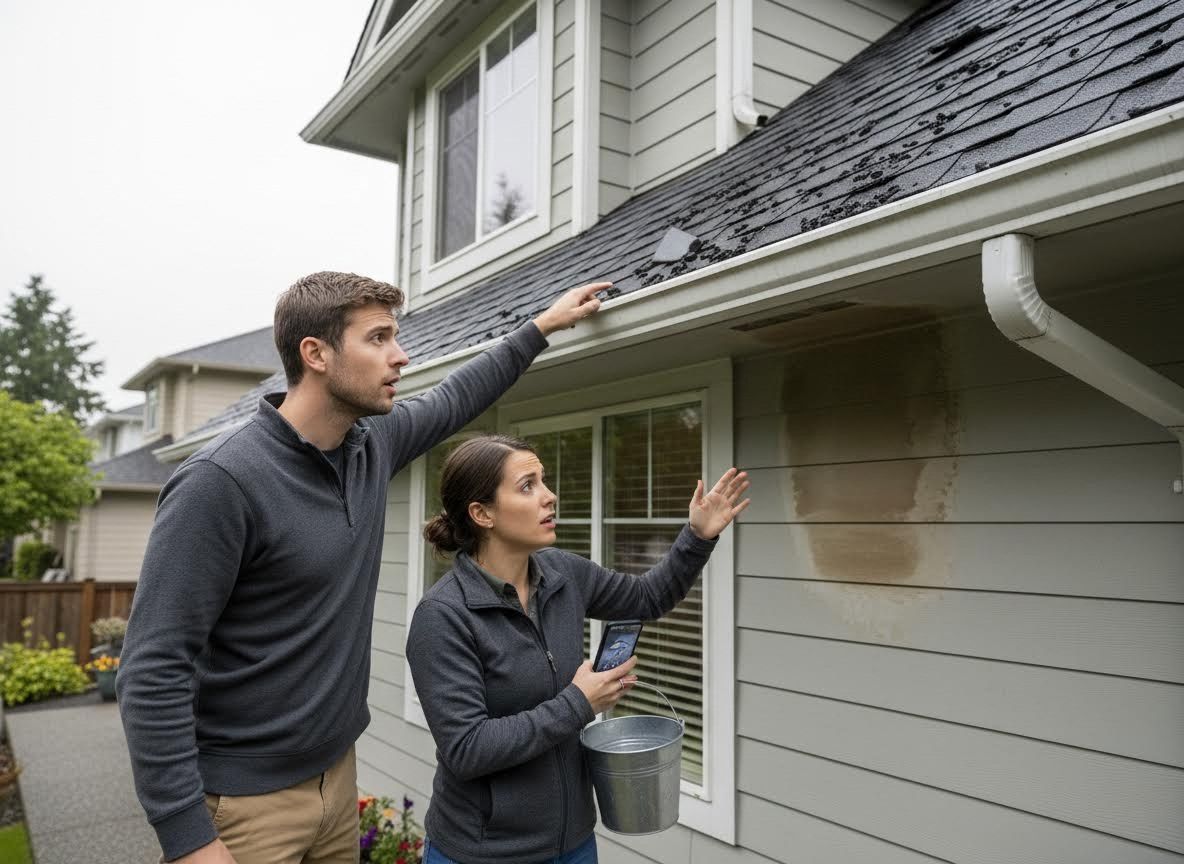
When it comes to safeguarding your home, your roof stands as its primary shield against the elements, quietly working to protect your investment and loved ones. Often, we don't think about our roof until a problem becomes undeniable, but being proactive can save you significant time, money, and stress in the long run. At Davis Enterprises, we understand the critical role a healthy roof plays in the structural integrity and energy efficiency of your property. Recognizing the early warning signs of roof issues is key to preventing minor repairs from escalating into major overhauls.
Visible Signs of Wear and Tear
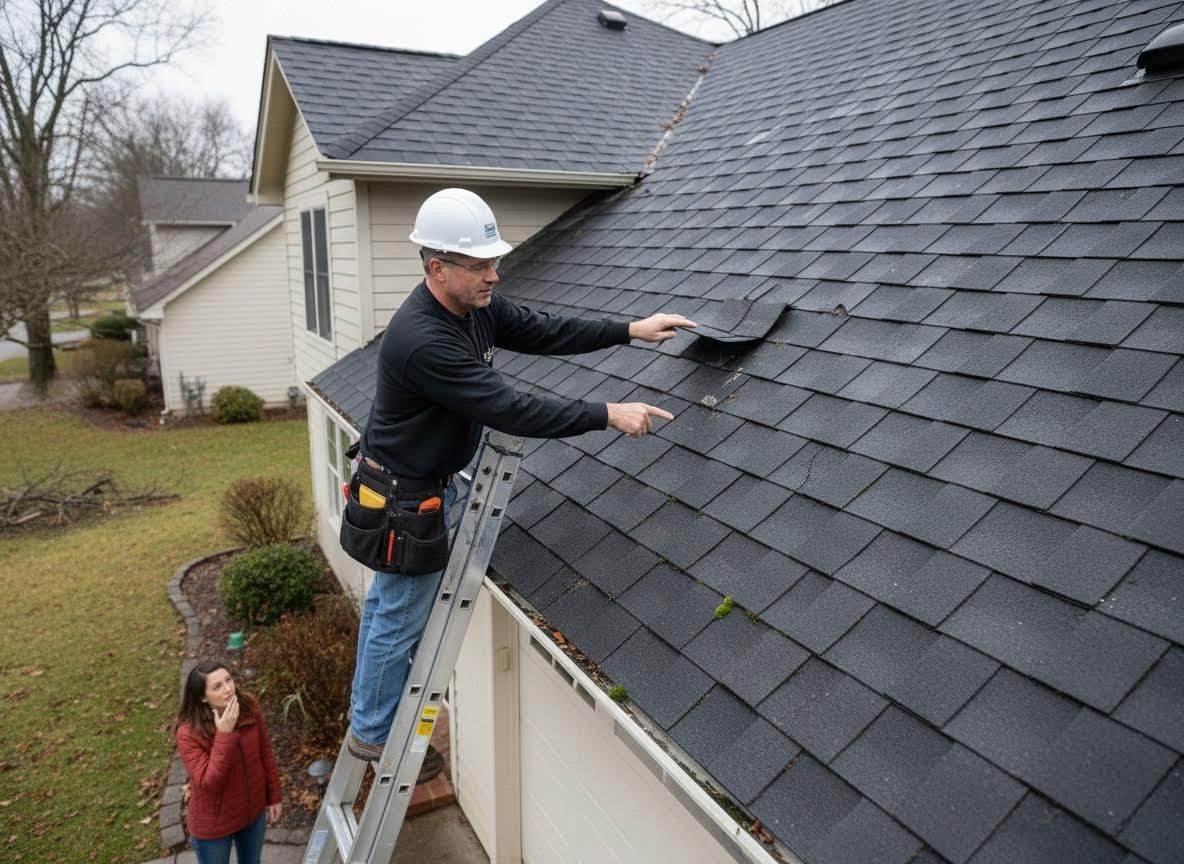
One of the most straightforward ways to determine if your roof needs attention is by a visual inspection from the ground. Look for any missing, cracked, curling, or buckled shingles, which can indicate extensive wear or storm damage. Granule loss, visible as dark patches or granules accumulating in your gutters, is another clear sign that your shingles are deteriorating and losing their protective qualities. Any areas that appear to sag or dip, especially along ridge lines or valleys, could point to structural damage beneath the surface or water pooling, signaling an urgent need for professional assessment. Even minor damage can compromise your roof's integrity, making regular visual checks important for early detection.
Interior Clues and Water Damage
Sometimes, your roof problems manifest inside your home before they become obvious outside. Water stains on ceilings or walls, particularly in upper-level rooms or attics, are definitive indicators of a leak. Peeling paint or discolored drywall often accompanies these stains. Beyond visible water, a musty odor in your attic or upper floors can signal hidden mold or mildew growth, which thrives in damp environments caused by roof leaks. Increased utility bills without a change in usage habits might also suggest compromised insulation due to moisture ingress, making it harder for your home to maintain consistent temperatures. These interior symptoms are urgent calls for a thorough roof inspection.
Age, Environment, and Storm Impact
The age of your roof is a significant factor in its condition. Most roofs have a lifespan of 15 to 30 years, depending on the material and installation quality. If your roof is nearing or past its expected lifespan, even without overt damage, a professional inspection is highly recommended to assess its remaining durability. Furthermore, your roof endures a constant barrage of environmental factors, from harsh sun and heavy snowfall to strong winds and hail. After a severe storm, it's always wise to have your roof checked for unseen damage, as high winds can lift shingles and hail can cause impact marks that lead to leaks over time. A comprehensive assessment by experienced local roofing companies can provide peace of mind and ensure your home remains protected.
Protecting Your Entire Home System
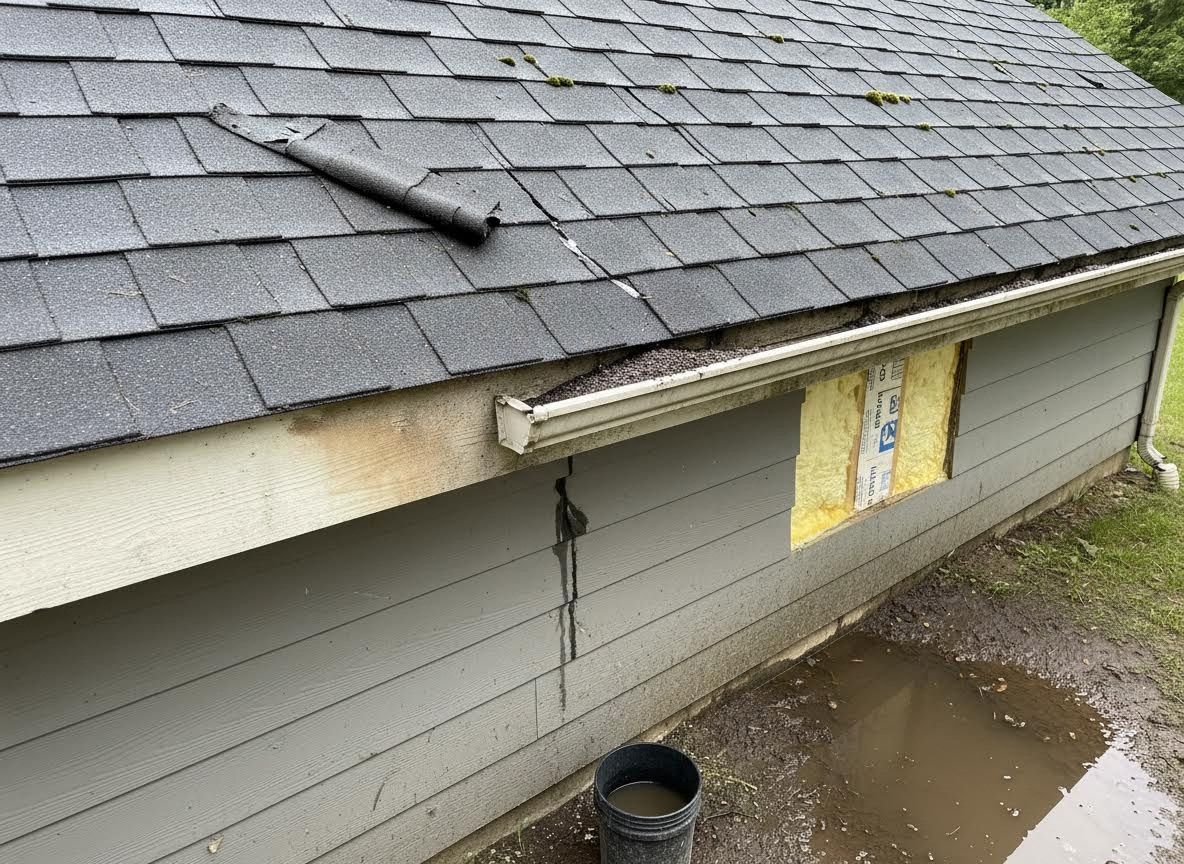
Beyond the roof itself, it’s important to consider how all exterior components work together. For instance, compromised gutters, especially without proper leaf guard systems, can cause water to back up and damage fascia boards, saturate the ground around your foundation, or even lead to basement flooding. Similarly, ensuring your home's exterior, including any hardie board siding, is well-maintained and free from leaks helps prevent water from infiltrating your walls. Inside, proper insulation, perhaps even modern spray foam insulation, relies on a watertight exterior to perform optimally and keep your energy costs down. A holistic approach to your home’s envelope protection is essential for long-term durability and efficiency.
Proactive roof inspections are an investment in the longevity and safety of your home, helping you address potential issues before they become costly emergencies. Don't wait for a leak to appear or a shingle to blow off to consider your roof's health. We encourage you to learn more about maintaining your home's exterior defenses and the signs that warrant professional attention by contacting our team today at Davis Enterprises.